Crafting Your Perfect Beermosa: Blending Tips & Best Beers
The beermosa, often hailed as the laid-back cousin to the traditional mimosa, has carved out a unique niche in the world of celebratory drinks. Swapping out champagne for beer, this ingenious concoction blends the refreshing zest of orange juice with the complex character of your favorite brew. Whether you call it a bromosa, a brass monkey, or simply a beermosa, it's an effortlessly cool cocktail perfect for brunch, game day, or any occasion that calls for a light, bubbly, and subtly tangy refreshment.
While the basic beermosa recipe seems straightforward—just two ingredients!—the journey to crafting your perfect blend is where the real fun begins. It's an exploration of flavor, texture, and aroma that invites your curious palate to experiment. Forget rigid rules; embrace the adventure and discover a personalized beermosa that truly excites your senses.
What Exactly is a Beermosa?
At its core, a beermosa is a vibrant and accessible cocktail marrying beer with orange juice. It's a delightful twist on the classic mimosa, where the effervescence and often hoppy or malty notes of beer replace the crispness of sparkling wine. This simple substitution opens up a vast world of flavor possibilities, making it incredibly versatile for various tastes and occasions.
The beauty of the beermosa lies in its adaptability. For those who prefer a more hop-forward experience, a 'bromosa' typically uses a craft beer or IPA, lending a distinctive bitterness and aromatic complexity. On the other hand, the term 'brass monkey' sometimes refers to a beermosa made with malt liquor, offering a bolder, perhaps less refined, kick. However, the most common and universally enjoyed beermosa recipe involves lighter, often wheat-based beers that harmonise beautifully with orange juice, creating a drink that’s both invigorating and satisfying.
This easy-to-make cocktail has become a staple for casual gatherings, from tailgates and backyard cookouts to lazy Sunday brunches. It offers a refreshing alternative that's typically lower in alcohol than a mimosa but equally full of character. The key is finding the right balance between the beer's profile and the orange juice's sweetness and acidity, a balance that, as you'll discover, is entirely up to you.
The Art of the Beermosa Blend: More Than Just Two Ingredients
Creating your ideal beermosa goes beyond merely mixing two liquids. It’s a sensory experience that engages your sight, smell, mouthfeel, and taste. Approaching your blend with an experimental mindset will lead you to a truly personalised and enjoyable concoction. Remember, the journey of discovering your perfect beermosa recipe is as delightful as the final sip.
Engaging Your Senses
- Sight: As you blend, observe how the beer and orange juice merge. Does the color shift to a vibrant sunrise hue? How does the transparency change? Are the bubbles lively, dancing to the surface, promising effervescence?
- Smell: Take a deep whiff. Are you picking up bright citrus notes, perhaps a hint of tangerine or blood orange? Can you detect the underlying aromas of the beer – perhaps bready wheat, spicy yeast, or tropical hops?
- Mouthfeel: Let the liquid wash across your entire tongue. Does it feel pulpy, or smooth and light? Is the carbonation gentle and tingling, or robust and palate-cleansing? It should feel refreshing and vibrant.
- Taste: This is the grand finale. Is it too sweet, too tart, or perfectly balanced? Does it offer a refreshing pick-me-up, with the beer complementing rather than overpowering the orange juice? Adjust until it sings on your palate.
Essential Blending Tips for Your Beermosa Recipe
To ensure a consistently excellent beermosa, consider these practical tips:
- The Pour Order Matters: Always pour the beer first, then gently top with orange juice. Orange juice tends to be denser and can quickly fill your glass, leaving insufficient space for the optimal beer ratio. Starting with beer gives you more control over the final blend and reduces foam overflow.
- Clean, Cooled Glassware: A clean, chilled glass is paramount for the full sensory experience. Simply rinsing your glass with cold water and swirling it around before pouring will do the trick. A cold glass helps maintain the drink's temperature and enhances the carbonation, making each sip crisp and refreshing.
- Give Yourself Room to Experiment: Especially when you're just starting, opt for a larger glass over a taster-sized one. This provides ample space to adjust ratios, make slight errors, and visually appreciate the evolving blend. It also prevents spills and allows for easier stirring if needed.
- Orange Juice Preference: While some prefer pulp-free orange juice for a smoother mouthfeel, others enjoy the slight texture that pulp provides. There's no right or wrong answer here; experiment with different varieties of orange juice (e.g., Valencia, navel, or even a blood orange juice) to see what you enjoy most.
- Avoid "In a Pinch" Shortcuts: While it might seem convenient to add beer to an orange juice jug or OJ to a beer can, these methods often result in a mess and significantly diminish the sensory experience. Stick to a proper glass for the best results.
For more detailed guidance on honing your senses and perfecting your blend, don't miss our article on Unlock Your Beermosa's Full Sensory Experience: Tips for Custom Blends.
Choosing Your Canvas: Best Beers for a Beermosa
The beer you choose is arguably the most crucial component of your beermosa recipe. The goal is to select a style that complements the bright, citrusy notes of orange juice rather than clashing with or overpowering it. Think harmony, not competition.
Recommended Beer Styles for a Beermosa:
- Wheat Beers (Hefeweizen & Belgian Witbier): These are classic choices for a reason. Their natural citrus, banana, and clove notes, coupled with a light body and effervescent finish, create a seamless blend with orange juice. The bready sweetness of a Hefeweizen or the spicy coriander and orange peel of a Witbier will elevate the citrus without adding bitterness.
- Saisons: Hailing from Belgium, Saisons are typically fruity, spicy, and often have a dry finish. Their earthy, sometimes peppery yeast character and bright carbonation can add an intriguing layer of complexity to your beermosa. Look for Saisons with prominent fruit esters for the best pairing.
- Gose: A unique German sour wheat beer, Gose is brewed with salt and coriander. Its tart, slightly salty, and incredibly refreshing profile can create a surprisingly sophisticated beermosa, cutting through the sweetness of the orange juice for a truly invigorating experience.
- Light Lagers & Pilsners: For a very subtle beer presence, or if you prefer a less complex flavor profile, a crisp, clean lager or pilsner can work well. They provide carbonation and a refreshing, neutral base that allows the orange juice to shine, resulting in a very easy-drinking beermosa.
- IPAs (Tropical, Brut, White): If you're venturing into 'bromosa' territory, certain IPA styles can be fantastic.
- Tropical IPAs: Their focus on juicy, fruit-forward hops (think mango, passionfruit, pineapple) naturally aligns with orange juice.
- Brut IPAs: Known for their extra-dry finish and Champagne-like effervescence, these can make for a very crisp and light beermosa.
- White IPAs: A hybrid of a Witbier and an IPA, they offer the spicy, citrusy notes of a Witbier with a mild hop character, striking an excellent balance.
Avoid overly bitter or resinous IPAs, as their strong hop profile can clash harshly with orange juice.
What to Consider Avoiding (or Approaching with Caution):
Generally, steer clear of beers with very dominant, dark, or roasted flavors, such as stouts, porters, or heavily malty brown ales, as they tend to clash with the bright, acidic profile of orange juice. Similarly, aggressively bitter West Coast IPAs might overwhelm the delicate balance you're trying to achieve. The key is to select a beer that will enhance the orange juice, not dominate it.
Elevating Your Beermosa: Beyond the Basics
Once you've mastered the foundational beermosa recipe and found your ideal beer-to-juice ratio, you can begin to explore ways to elevate your drink. While the classic two-ingredient blend is perfect on its own, a touch of flair can transform it into something truly special, especially when hosting or simply treating yourself.
Thoughtful Garnishes
Garnishes aren't just for show; they can subtly enhance the aroma and even prime your palate before the first sip. Before adding any extras, however, we strongly encourage you to close your eyes and truly experience the unadulterated harmony of the beer and orange juice. Appreciate that perfect balance first, and then, if you still desire, go wild with your embellishments!
- Citrus Twists and Slices: An obvious choice, an orange slice or a delicate twist of orange peel on the rim of the glass adds an inviting visual appeal and a burst of citrus aroma. You can even express the oils from the peel over the drink for an extra aromatic kick.
- Fresh Herbs: A sprig of mint or a delicate piece of rosemary can add an unexpected, sophisticated layer to certain beermosas, especially those made with Saisons or Goses. The herbaceous notes can be incredibly refreshing.
- Spices: For a warmer, autumnal twist, consider a cinnamon stick or a light dusting of freshly grated nutmeg. This pairs particularly well with wheat beers and can make your beermosa feel cozy and festive.
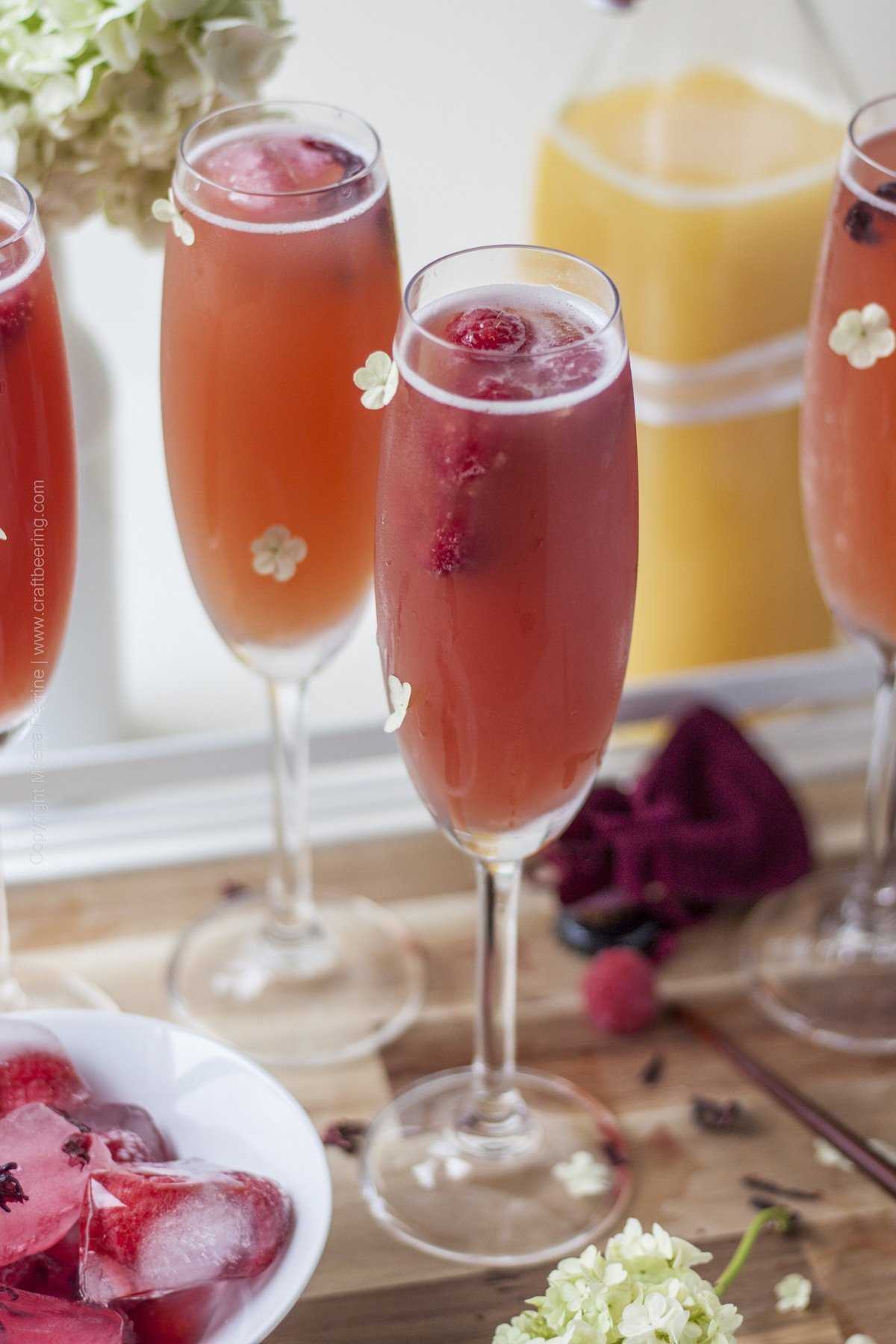
- Other Fruits: A few fresh berries (strawberries, raspberries, blueberries) dropped into the glass or skewered on a cocktail pick can add visual appeal and a hint of complementary fruitiness.
Beyond Orange Juice: Exploring Variations (with caution)
While a true beermosa is defined by orange juice, the spirit of experimentation allows for variations. If you're feeling adventurous, consider swapping out orange juice for other fruit juices, though these would technically be 'beer-mosas' rather than 'beermosas':
- Grapefruit Juice: For a tangier, more bitter profile, especially good with hoppy IPAs.
- Cranberry Juice: Adds a tartness and beautiful ruby color, working well with lighter lagers.
- Pineapple Juice: Brings a tropical sweetness that pairs nicely with tropical IPAs or even a Hefeweizen.
Remember, the goal is always harmony. Whatever you add, ensure it complements the base beer and enhances the overall drinking experience, never overshadowing the delicious synergy of beer and juice.
Conclusion
The beermosa is a testament to the idea that some of the best culinary (and cocktail) creations are born from simplicity and a willingness to experiment. Far more than just beer and orange juice, it's a canvas for personal expression, offering a delightful journey for your senses. By understanding the interplay of different beer styles, mastering basic blending techniques, and daring to garnish with flair, you can move beyond a mere drink to craft a perfect beermosa that's uniquely yours. So, grab your favorite brew, a fresh bottle of orange juice, and let your palate lead the way to your next favorite refreshing cocktail. Cheers to the perfect blend!
